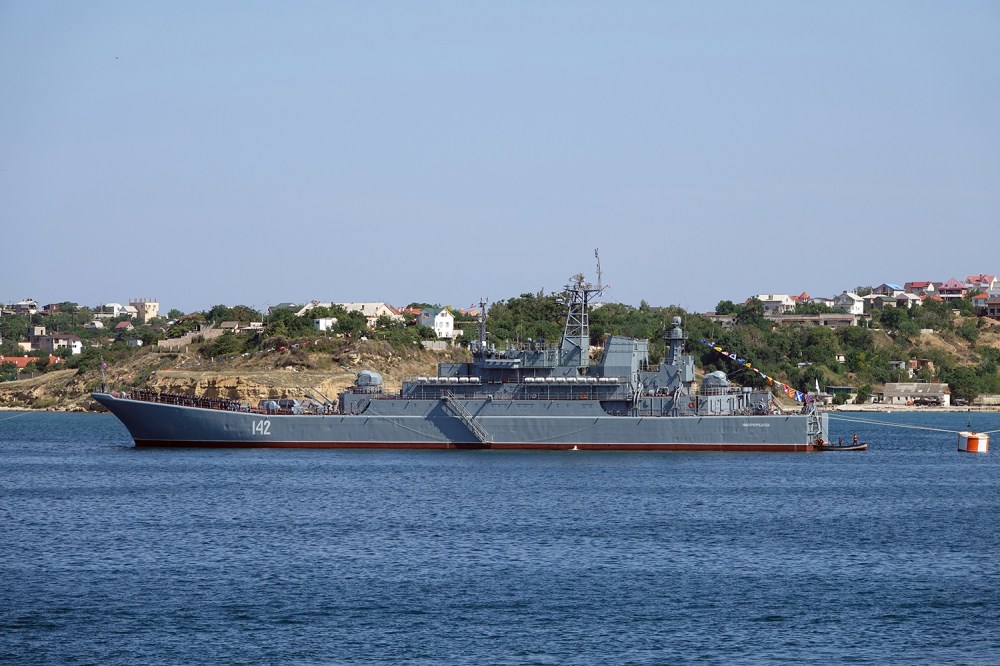
India Navigates Geopolitical Tides: Iranian Warship's Dual Visits Unpack a Complex Diplomacy
India, a rising global power, consistently finds itself at the intricate intersection of international relations, balancing strategic autonomy with diverse global partnerships. A recent series of visits by Iranian warships to Indian ports vividly illustrates this delicate diplomatic dance. From planned goodwill missions to unexpected emergency dockings, the presence of an iranian warship in India has become a focal point, reflecting both deepening bilateral ties and the simmering geopolitical tensions of the Indian Ocean Region (IOR). These dual narratives – one of maritime camaraderie, the other of urgent refuge – offer a compelling insight into India's pragmatic foreign policy and its pivotal role in a rapidly evolving global landscape.
The engagement between the Indian and Iranian navies is not merely a formality; it underscores the historical and strategic importance of their relationship. As global powers vie for influence, India's interactions with nations like Iran are meticulously calculated, weighing immediate needs against long-term strategic objectives. The following sections delve into the distinct contexts and implications of these naval encounters, revealing the multifaceted layers of India's geopolitical strategy.
A Tale of Two Ports: Mumbai's Naval Solidarity and Shared Aspirations
The planned visit of two Iranian warships, IRIS Boushehr and IRIS Lavan, to Mumbai stands as a testament to the strengthening maritime cooperation and bilateral relations between India and Iran. This wasn't merely a port call; it was a mission imbued with the spirit of goodwill and mutual learning, designed to foster deeper Navy-to-Navy interactions. The objective was clear: to enhance maritime understanding, share expertise, and solidify the growing defense relationship between the two nations.
During their stay, the Iranian Mission Commander and commanding officers engaged in constructive dialogues with Rear Admiral Vidyadhar Harke from the Western Naval Command. These discussions delved into areas of mutual interest, exploring avenues for enhanced naval training curricula and operational coordination. The visit also provided a unique platform for nearly 220 Iranian officer cadets to interact with their Indian counterparts, participating in diverse activities ranging from sports to training visits. Such interactions are crucial for building camaraderie and understanding at a foundational level, paving the way for future collaboration.
Beyond the ceremonial aspects, this visit highlighted a broader trend of diplomatic and defense collaboration. A recent medical evacuation, swiftly executed by the Indian Navy and Coast Guard for an Iranian trainee officer off the Indian coast, serves as a poignant example of the practical cooperation underpinning these diplomatic ties. It showcased India's readiness to extend humanitarian assistance and its commitment to regional maritime safety. The Mumbai visit unequivocally signaled a significant step towards deepening naval ties, demonstrating a shared vision for stability and cooperation in critical maritime zones. For more details on this significant event, read our comprehensive coverage here: Iranian Warships Boost India-Iran Naval Ties in Mumbai Visit.
Kochi's Unscheduled Stop: Seeking Refuge Amidst Rising Tensions
In stark contrast to the pre-planned solidarity in Mumbai, the subsequent docking of the IRIS Lavan at the port of Kochi presented a dramatically different narrative. This unscheduled stop, occurring in March 2026, was driven by a plea from the Iranian government for urgent technical assistance. The request, made on February 28, 2026, cited "severe technical issues" encountered while operating in the Indian Ocean Region. What makes this incident particularly noteworthy is its timing: it unfolded against a backdrop of escalating conflict between Iran, Israel, and the United States, injecting a layer of geopolitical urgency into what might otherwise be a routine technical stop.
Further compounding the complexity, this event reportedly followed the sinking of another Iranian vessel, the IRIS Dena, by a U.S. submarine off the coast of Sri Lanka. Indian officials, however, were quick to emphasize that the Lavan's predicament was unrelated to the Dena incident, treating the former purely as a humanitarian and technical matter. The IRIS Lavan, identified as a Landing Ship Heavy, is a crucial asset for logistical support and power projection, raising questions about its operational status and potential implications if its "technical issues" were indeed a cover for something more. While Iranian officials attributed the docking solely to mechanical failure, the geopolitical context undeniably raised eyebrows among international observers.
India's decision to grant assistance reflected its commitment to humanitarian principles, even amidst the fraught regional climate. However, it also underscored the delicate balancing act New Delhi consistently performs as it navigates its relationships with both Iran and its Western allies. The Kochi incident highlighted the increasing militarization of the Indian Ocean, a vital trade route, and the ever-present potential for miscalculation in a region already simmering with conflict. Whether the Lavan’s technical issues were genuinely the sole cause of this unscheduled stop, or a symptom of something larger, India's actions positioned Kochi as an unlikely focal point in a rapidly evolving international crisis. Discover more about this critical event here: Iranian Warship Seeks Refuge in India Amidst Regional Tensions.
India's Geopolitical Chessboard: Strategic Autonomy in the Indian Ocean
These distinct incidents involving an iranian warship in India are not isolated events but rather pieces in India's larger geopolitical strategy. India's approach is rooted in its long-standing principle of strategic autonomy, striving to maintain independent foreign policy decisions free from external pressures. The Indian Ocean Region (IOR) is paramount to India's strategic interests, serving as a critical artery for global trade, especially for energy resources. Ensuring stability and freedom of navigation in this region is a core tenet of India's maritime doctrine.
India's relationship with Iran is multifaceted, historically anchored by cultural ties and, more recently, by energy security and the strategic Chabahar Port project. This port, developed with Indian assistance, offers a crucial alternative trade route to Afghanistan and Central Asia, bypassing Pakistan and providing India with enhanced regional connectivity. Despite international sanctions against Iran, India has consistently sought pragmatic ways to maintain engagement, recognizing Iran's geostrategic importance. Conversely, India also maintains robust defense and economic ties with Western powers, including the United States and Israel, creating a complex web of alliances that demands astute diplomacy.
The presence of Iranian warships in Indian ports, whether for goodwill or emergency, exemplifies India's nuanced approach. By hosting planned naval exercises, India signals its commitment to bilateral cooperation and regional stability. By providing humanitarian aid in an emergency, it upholds international maritime laws and reinforces its image as a responsible global actor, all while skillfully navigating the cross-currents of international rivalries. This balancing act allows India to project influence, protect its interests, and maintain flexibility in a multipolar world.
Implications and Forward Outlook for India-Iran Maritime Relations
The dual visits of an iranian warship to India underscore the multifaceted nature of India's foreign policy and its evolving role in the Indian Ocean. These incidents, while distinct in their immediate circumstances, collectively paint a picture of a nation actively engaged in complex international diplomacy. The goodwill visit to Mumbai strengthens the foundation of naval cooperation, potentially leading to more frequent joint exercises, intelligence sharing, and personnel exchanges. This collaborative spirit is vital for addressing common maritime challenges such as piracy, smuggling, and disaster relief operations.
The emergency docking in Kochi, however, highlights the precarious geopolitical environment. It serves as a stark reminder of how regional conflicts can spill over into the maritime domain, forcing nations like India to make critical decisions under pressure. India's response demonstrated its capacity to act decisively and ethically, providing assistance while carefully avoiding entanglement in broader conflicts. This approach reinforces India’s credibility as a neutral and reliable partner, capable of independent action.
Looking ahead, these interactions suggest that India will continue its policy of strategic engagement with Iran, albeit with pragmatic caution. The IOR remains a critical theater for great power competition, and India’s ability to maintain constructive relationships with diverse actors will be key to its aspirations as a net security provider in the region. The lessons learned from these visits will undoubtedly inform India's future maritime strategy, emphasizing self-reliance, humanitarian assistance, and the astute navigation of geopolitical tides. As the Indian Ocean continues to gain prominence, India's measured yet assertive posture will be crucial for fostering regional stability and safeguarding its national interests amidst global volatility.
In conclusion, the presence of Iranian warships in Indian ports, in both planned and emergency contexts, encapsulates India's adept handling of its geopolitical chessboard. It showcases a nation committed to fostering strong bilateral ties, upholding humanitarian principles, and maintaining strategic autonomy in a challenging international environment. As India charts its course as a leading global power, its nuanced engagement with countries like Iran will remain a defining characteristic of its foreign policy, shaping the future of maritime security and regional stability.