Iranian Warships Boost India-Iran Naval Ties in Mumbai Visit: A Deep Dive into Bilateral Maritime Engagement
Recent visits by Iranian warships to Indian ports have illuminated a burgeoning, multifaceted relationship between India and Iran in the maritime domain. Far from being routine port calls, these interactions underscore a complex blend of goodwill, strategic cooperation, and humanitarian assistance, reflecting India's astute diplomatic navigation in a geopolitically charged Indian Ocean Region (IOR). The presence of an
iranian warship in India is increasingly becoming a symbol of this evolving dynamic, where mutual interests in maritime security and regional stability converge, even amidst broader international tensions.
A New Chapter in India-Iran Maritime Cooperation: The Mumbai Goodwill Mission
In a significant stride towards strengthening naval solidarity, two Iranian warships, IRIS Boushehr and IRIS Lavan, recently docked in Mumbai. This planned visit was explicitly framed as a goodwill and training mission, designed to enhance maritime cooperation and deepen the already existing ties between the two nations. The Indian Navy highlighted the visit as a testament to the growing defense relationship, characterized by mutual interests and an increased focus on collaboration in the naval sphere.
The agenda for the Iranian delegation was comprehensive, fostering diverse Navy-to-Navy interactions. Mission Commander and commanding officers engaged in constructive discussions with Rear Admiral Vidyadhar Harke of the Western Naval Command. These high-level meetings delved into crucial topics such as shared maritime interests, potential avenues for joint training programs, and broader strategies for bilateral cooperation. Beyond the strategic dialogues, the visit embraced cultural and professional exchanges, with nearly 220 officer cadets participating in various activities, including sports events and training visits to Indian naval facilities. Such interactions are invaluable, not only for fostering camaraderie but also for building a shared understanding of operational doctrines and best practices.
This Mumbai visit is not an isolated event but part of a larger tapestry of diplomatic and defense ties that India and Iran have been weaving. A recent incident vividly illustrates the practical application of this cooperation: the swift medical evacuation of an Iranian trainee officer by the Indian Navy and Coast Guard off the Indian coast. Such acts of humanitarian assistance underscore the depth of trust and operational coordination that has been cultivated between the two forces, reinforcing the notion that these visits are more than mere ceremonial gestures; they are pivotal steps in deepening genuine defense collaboration and strengthening diplomatic relations. The goodwill mission reflects a mutual desire to foster a stable and secure maritime environment, an objective that benefits both nations and the wider region.
Navigating Stormy Waters: The IRIS Lavan's Unscheduled Stop in Kochi
While the Mumbai visit epitomized planned cooperation, another recent event involving the IRIS Lavan revealed a more complex, humanitarian dimension to the
iranian warship India interactions. The same vessel, IRIS Lavan, earlier sought urgent technical assistance, docking at the port of Kochi following a request from the Iranian government on February 28, 2026. The stated reason: "severe technical issues" encountered while operating in the Indian Ocean Region. New Delhi swiftly approved the docking on March 1, 2026, treating the situation as a humanitarian case.
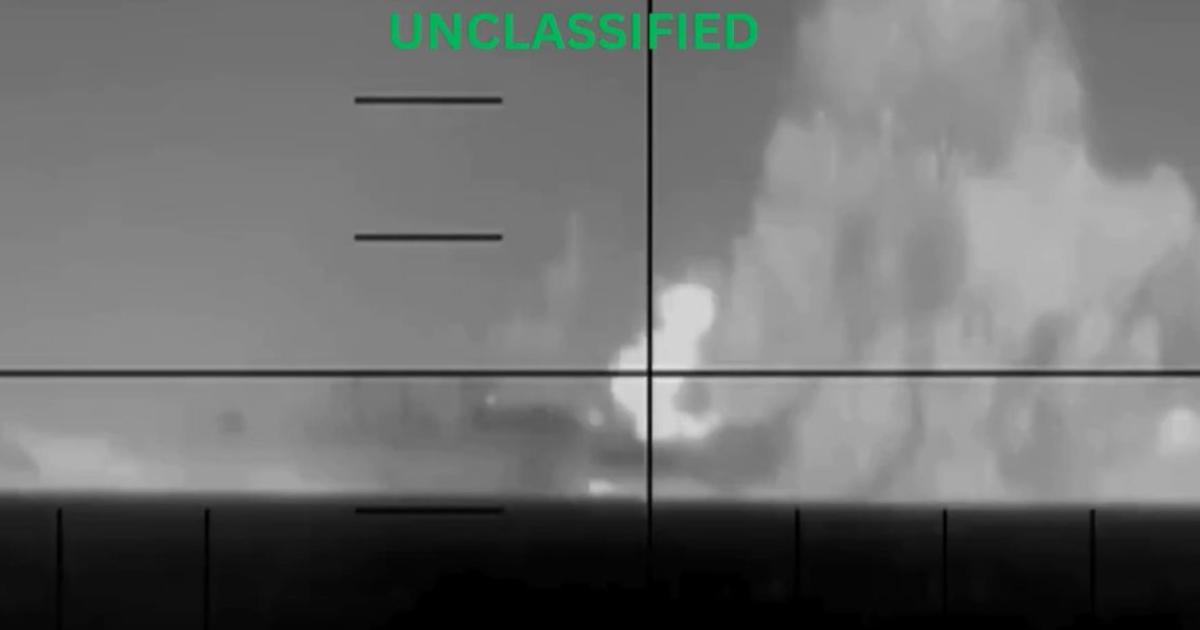
This unscheduled stop occurred against a backdrop of intensely escalating regional tensions involving Iran, Israel, and the United States, adding a layer of geopolitical intrigue to the incident. Speculation naturally arose, especially given the preceding sinking of another Iranian vessel, the IRIS Dena, by a U.S. Submarine off the coast of Sri Lanka. However, Indian officials were quick to assert that the two incidents were unrelated, emphasizing their focus on providing necessary assistance to the distressed Iranian vessel.
The IRIS Lavan is classified as a Landing Ship Heavy, a type of vessel critical for logistical support and projecting power across maritime expanses. Its inherent capabilities, including potential use as a forward base, naturally drew attention, adding another dimension to its presence in Indian waters. While Iranian officials maintained the docking was solely due to mechanical failure, the timing inevitably raised questions about broader geopolitical implications.
India's decision to provide assistance, even amidst such fraught regional climate, highlights its delicate balancing act. Navigating relationships with both Iran and Western powers requires nuanced diplomacy. By extending aid, India reaffirmed its humanitarian principles and its role as a responsible maritime stakeholder, while simultaneously acknowledging its strategic ties with Iran. This incident, discussed in detail in
Iranian Warship Seeks Refuge in India Amidst Regional Tensions, underscored the increasing militarization of the Indian Ocean – a vital trade route – and the potential for miscalculation in an already volatile region. Whether the Lavan's technical issues were indeed the sole cause of its stop or a symptom of larger underlying pressures remains a subject of ongoing analysis, positioning Kochi as an unexpected focal point in a rapidly evolving international crisis.
India's Strategic Compass: Balancing Regional Interests
The dual nature of these recent interactions – a planned goodwill mission in Mumbai versus an urgent humanitarian-technical stop in Kochi – provides a compelling case study of India's strategic foreign policy. India's approach to the presence of an
iranian warship in India reflects a broader strategy of maintaining strong bilateral relationships while navigating complex global geopolitics.
India views the Indian Ocean Region not just as a trade conduit but as its strategic backyard, crucial for its security, economic interests, and regional influence. Ensuring stability in the IOR is paramount. Therefore, engaging with all key players, including Iran, becomes vital. Iran, situated at a critical maritime chokepoint and possessing significant energy resources, is a crucial partner for India, particularly in terms of energy security and connectivity projects like Chabahar Port. These visits, whether for cooperation or assistance, serve to reinforce India's commitment to independent foreign policy decisions and its ability to engage with diverse partners without being tethered to geopolitical blocs.
The increased militarization of the IOR, with various global powers enhancing their naval presence, necessitates that India maintains robust naval capabilities and fosters strong relationships with regional navies. The visits by Iranian warships, especially the planned cooperation in Mumbai, allow for interoperability exercises, sharing of best practices, and collective capacity building in areas like anti-piracy operations and disaster relief. Simultaneously, the humanitarian assistance provided to IRIS Lavan in Kochi projects India as a reliable and responsible maritime power, a net security provider in the region, capable of responding to distress calls regardless of political affiliations. The nuances of India's approach are further explored in
India Navigates Geopolitical Tides: Iranian Warship's Dual Visits.
Practical Insights: The Value of Naval Diplomacy
Beyond the headlines and geopolitical analyses, these interactions offer valuable insights into the enduring power of naval diplomacy.
*
Building Trust and Understanding: Naval exchanges and joint training initiatives are fundamental for fostering mutual trust and understanding between navies. When officers and cadets interact directly, they gain insights into each other's operations, cultures, and doctrines, which can be invaluable in times of crisis or for coordinated efforts.
*
Capacity Building: Collaborative training programs, shared exercises, and discussions on maritime security challenges contribute to the capacity building of both navies. This includes improving search and rescue operations, anti-piracy measures, and humanitarian assistance and disaster relief (HADR) capabilities.
*
Information Sharing: Regular interactions facilitate the sharing of maritime domain awareness information, crucial for combating transnational threats like piracy, illicit trafficking, and terrorism in the IOR.
*
Humanitarian Response: The swift medical evacuation of the Iranian officer and the assistance provided to IRIS Lavan highlight the importance of established communication channels and operational readiness for humanitarian aid and rapid response in emergencies at sea.
*
Strategic Signaling: Naval visits serve as potent diplomatic tools, signaling intent and reinforcing alliances or partnerships without resorting to overt political statements. They demonstrate commitment to engagement and stability.
For nations operating in complex maritime environments, maintaining open lines of communication and fostering professional naval relationships is not just diplomatic nicety but a strategic imperative. These interactions provide platforms for dialogue, de-escalation, and collaborative problem-solving, which are critical for regional peace and security.
Conclusion
The recent visits of Iranian warships to Indian ports, encompassing both structured goodwill missions and urgent humanitarian calls, underscore the dynamic and increasingly vital nature of the
iranian warship India relationship. From the training exchanges and high-level discussions in Mumbai involving IRIS Boushehr and IRIS Lavan, signaling enhanced maritime cooperation, to the urgent technical assistance provided to IRIS Lavan in Kochi amidst regional tensions, India has showcased its nuanced approach to international relations. This multi-faceted engagement reflects India's strategic autonomy, its commitment to humanitarian principles, and its indispensable role in fostering stability in the Indian Ocean Region. As geopolitical currents continue to shift, the ongoing naval diplomacy between India and Iran will remain a crucial element in navigating shared challenges and opportunities in the vast and vital expanse of the world's oceans.